
Digital Edition

B.Visible Partners Magazine

August 2026

Magazine Pages

Page 1 - Cover
Page 1 · Cover
Page 2 - MyExtraCopy.com
Page 2 · MyExtraCopy.com
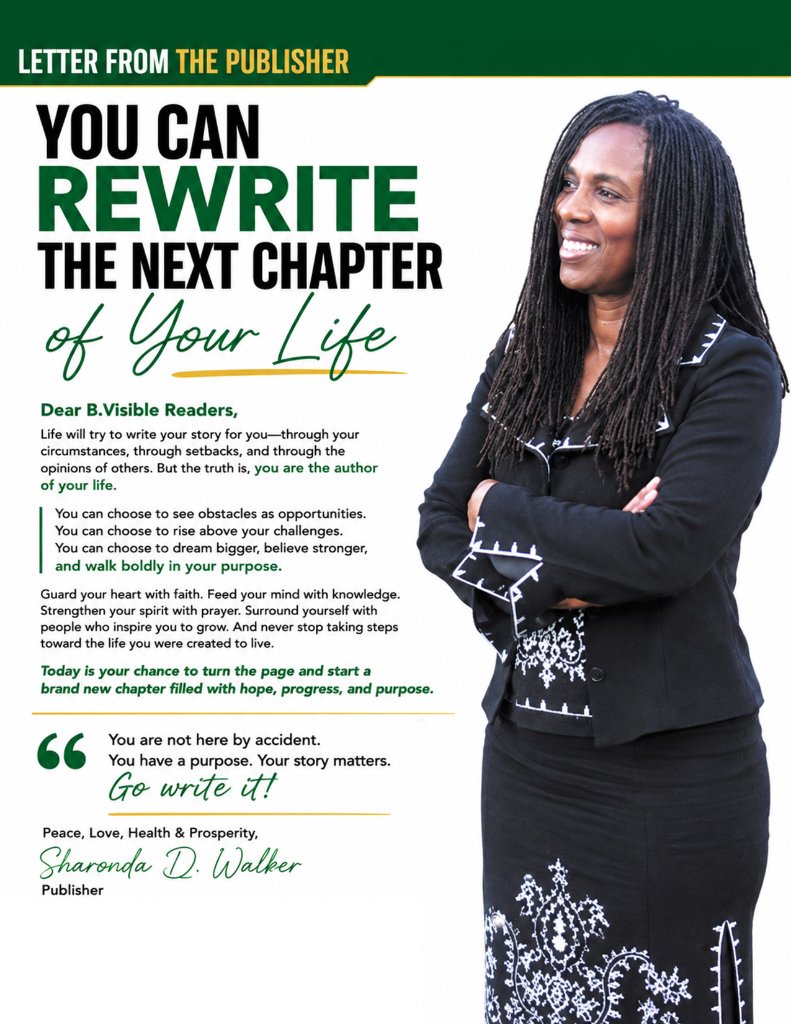
Page 3 - Letter from the Publisher
Page 3 · Letter from the Publisher
Who's Visible In Memphis

Who's Visible In Memphis

Featuring the people, stories, and voices shaping the Memphis community.

The Ghost At The Table: Reginald R. Mebane Shares a Life of Reinvention, Roots, and Responsibility

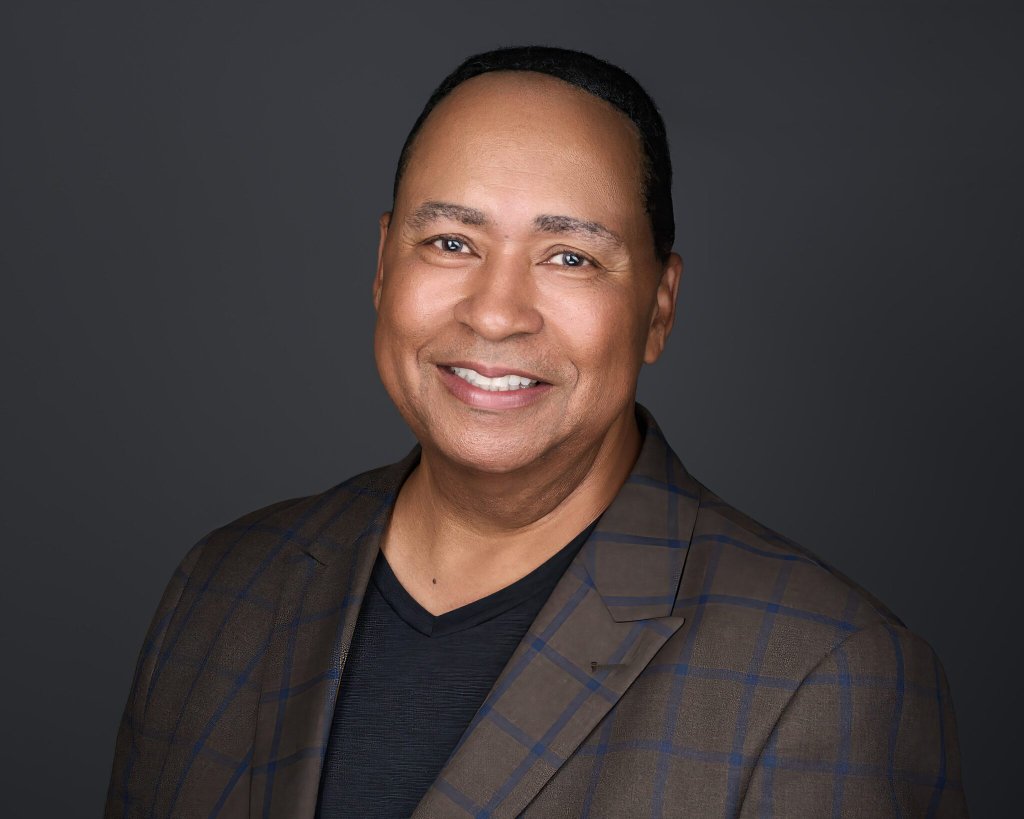
Featuring Reginald R. Mebane

The Ghost At The Table: Reginald R. Mebane Shares a Life of Reinvention, Roots, and Responsibility

During a July interview held at the historic Century House in downtown Memphis, author Reginald R. Mebane shared the powerful story behind his book, "The Ghost At The Table." More than a memoir, the book is a reflection on family history, survival, leadership, reinvention, and the unseen wisdom that helps guide a person through life's most difficult rooms.

Mebane's story begins in North Memphis, near the Dixie Homes housing projects, where he was raised by parents whose strength, sacrifice, and daily example shaped the foundation of his life. He spoke openly about growing up poor, yet deeply loved, and about the lessons he learned from a mother who continued to serve others even when her own family had very little. That spirit of service would later become one of the defining themes of his life.

In the interview, Mebane traced his family history back to the Mebane plantation, where his ancestors were once listed as property. Rather than distancing himself from that painful past, he embraces it as part of the truth that made him who he is. "I never say that I'm self-made," he explained in essence. His belief is that he is "ancestor-made," standing on the shoulders of people whose names may not appear in history books, but whose strength still lives through him.

His journey carried him far beyond the limits that others might have imagined for a young boy from North Memphis. At 15, he earned a scholarship to a prestigious prep school program. He later attended the United States Air Force Academy, served in the military, completed his education through the G.I. Bill, and began working at FedEx on the night shift. What started as unloading trucks in cold weather eventually led to executive leadership roles, including work connected to a multibillion-dollar FedEx company and later national public health work with the CDC.

One of the most striking messages from Mebane's interview was his belief that life is connected. Every job, setback, opportunity, and painful moment becomes part of a larger design. He does not describe his many professional roles as separate careers, but as threads woven together into one tapestry. His work in mental health, homelessness, corporate leadership, public health, mentoring, and community service all reflect the same deeper calling: to lead, serve, and help others rise.

The title, "The Ghost At The Table," refers to what Mebane describes as an internal GPS. It is the voice of ancestors, parents, experience, and instinct that speaks when a person enters unfamiliar spaces. It teaches social intelligence: knowing what room you are in, what rules are written, what rules are unwritten, when to speak, when to listen, and how to survive with wisdom. For Mebane, this "ghost" is not something frightening. It is guidance.

The book also emphasizes the importance of reinvention. Mebane encourages readers to prepare for life's pivots before they come. Jobs end. Doors close. Trauma happens. But he believes people must create time for recalibration, build a personal board of directors, and refuse to live as victims. His own life proves that what may feel like being buried can sometimes mean being planted.

At its heart, "The Ghost At The Table" is about responsibility. Mebane reminds readers that when they enter rooms of influence, they do not enter alone. They carry family, community, history, and the voices of those who never had the chance to sit at the table themselves.

His message is clear: listen to your inner guidance, honor where you came from, keep moving through every pivot, and always send the elevator back down for someone else.


Articles

Success Begins Before the First Bell Rings

Success Begins Before the First Bell Rings

By B.Visible Editorial Team

Preparing children emotionally before school starts. New notebooks, fresh uniforms, and a long supply list — parents spend weeks getting the physical side of back-to-school ready. But the most important preparation happens on the inside. Emotional readiness sets the tone for an entire school year, and it starts long before that first morning bus ride. Start the Conversation Early Talk to your child about what they're excited about and what makes them nervous. Don't dismiss worries with "You'll be fine." Instead, validate their feelings: "It's okay to feel nervous. What part are you thinking about the most?" Naming the fear shrinks it. Re-establish Routines Gradually A week or two before school starts, begin shifting bedtime and wake-up times back to the school schedule. A child running on five hours of sleep is already behind before they walk through the door. Consistent sleep improves focus, mood, and resilience. Visit the School If You Can Familiarity reduces anxiety. Walk the halls, find the classroom, meet the teacher if possible. The unknown is what fuels fear — so replace it with the known. Practice the First Day Lay out clothes the night before. Pack the backpack together. Talk through the morning step-by-step. When the first day arrives, your child has already "done it" in their mind. Build a Support System Identify a trusted adult at school — a teacher, counselor, or coach — your child can go to if they feel overwhelmed. Knowing there's a safe person nearby builds confidence. Watch for Signs of Stress Headaches, stomachaches, irritability, or withdrawal can all signal back-to-school anxiety. If you notice these, slow down and check in. Emotional health is the foundation academic success is built on. Success in school doesn't start with a report card. It starts with a child who feels safe, prepared, and supported. Give them that foundation, and the grades will follow.

The Power of Reading 20 Minutes a Day

The Power of Reading 20 Minutes a Day

By B.Visible Editorial Team

Research-based but easy to read. Twenty minutes. That's it. Less time than a single sitcom episode, less than the average scroll through social media. But those twenty minutes, repeated daily, can change a child's entire future. The Research Is Clear A landmark study by the National Center for Education Statistics found that students who read for 20 minutes a day score in the 90th percentile on standardized tests. Students who read just 5 minutes a day score in the 50th percentile. Students who read less than a minute a day? They fall into the 10th percentile. The difference isn't talent. It's exposure. By 8th grade, a daily reader has been exposed to roughly 1.8 million words. A non-reader? About 8,000. That gap shows up in every subject — not just English, but math, science, and history too, because every subject requires reading comprehension. It Builds More Than Vocabulary Reading daily strengthens focus and attention span — skills that are eroding in the age of short-form video. It builds empathy by putting children inside other people's experiences. It reduces stress; a University of Sussex study found reading can lower stress by up to 68%. How to Make It Stick Let them choose. Children who pick their own reading material read more and enjoy it more. Comic books, graphic novels, sports magazines — it all counts. Read together. Even older kids benefit from shared reading time. It becomes a bonding ritual, not a chore. Remove barriers. Keep books in the car, by the bed, in the bathroom. Make reading the easiest option available. Model it. Children who see adults reading are far more likely to read themselves. Your phone habits become their phone habits. Twenty minutes a day. Over a school year, that's more than 60 hours of reading. Over a childhood, it's the difference between struggling and soaring. The cost is nothing. The return is everything.

Five Habits of Highly Successful Students

Five Habits of Highly Successful Students

By B.Visible Editorial Team

Simple. Motivational. What separates the student who thrives from the one who just survives? It's rarely raw intelligence. More often, it's a set of small, repeatable habits that compound over time. Here are five that make the biggest difference. 1. They Plan the Night Before Successful students don't figure out their morning in the morning. They lay out clothes, pack the backpack, and check the schedule the night before. This eliminates decision fatigue and starts the day calm and focused instead of rushed and scattered. 2. They Use a Planner — Every Day Not just for big projects. They write down every assignment, test, and deadline the moment they learn about it. A planner turns a vague "I have a lot to do" into a clear, manageable list. What gets written down gets done. 3. They Study in Short, Focused Blocks The most effective students don't cram for hours. They use focused 25-30 minute study sessions with short breaks in between — a technique backed by decades of research. Quality beats quantity every time. Twenty minutes of real focus beats two hours of half-attention. 4. They Ask for Help Early Struggling students wait until they're completely lost to speak up. Successful students raise their hand the moment something doesn't click. They understand that asking questions isn't a sign of weakness — it's a sign of engagement. The smartest people in every room are the ones willing to say, "I don't understand." 5. They Protect Their Sleep This is the habit most students skip — and it's the most important. Sleep is when the brain consolidates learning, files memories, and resets for the next day. A student who sleeps 8 hours will outperform a student who sleeps 5 and studies twice as long. Every time. The Secret Behind the Habits None of these habits require talent, money, or special ability. They require consistency. Pick one. Start this week. Add another next week. By the end of the semester, you won't just be a better student — you'll be a different person. Success isn't one big moment. It's a thousand small choices, repeated daily. Start choosing.

The Future Isn't Waiting...It's Being Invented

The Future Isn't Waiting...It's Being Invented

By B.Visible Editorial Team

Ask a child today what they want to be when they grow up, and you'll probably hear familiar answers like doctor, nurse, teacher, athlete, engineer, or lawyer. Those are wonderful careers. But here's something exciting... Many of the careers today's students will eventually have don't even exist yet. Think about it. Twenty years ago there were no YouTubers, drone pilots, app developers, social media managers, AI prompt engineers, or virtual reality designers. Today those careers employ thousands of people around the world. Imagine what another twenty years will bring. Artificial Intelligence is changing healthcare. Robotics is changing manufacturing. Virtual Reality is changing education. Space exploration is creating entirely new industries. Clean energy is creating careers that never existed before. The future belongs to people willing to learn, adapt, and create. Instead of asking children, "What do you want to be?" Maybe we should ask, "What problem do you want to solve?" Because every great career begins with solving a problem.

Why Memphis Needs Your Talent

Why Memphis Needs Your Talent

By B.Visible Editorial Team

Instead of leaving Memphis... Build Memphis. There's a story too many young Memphians know by heart: grow up, get your education, and leave. Go to Atlanta, Houston, Nashville, or Chicago — anywhere but here. The message, spoken or unspoken, is that success happens somewhere else. We're here to challenge that story. Because here's what happens when talent leaves: the community that raised you stays exactly where it was. The neighborhoods that need doctors, entrepreneurs, artists, and leaders keep waiting. And Memphis loses the very people who could transform it. But there's a different story being written right now — and you can be part of it. Memphis Is Moving This city is in the middle of a renaissance. New businesses are opening in Whitehaven, Orange Mound, and South Memphis. The tech scene is growing. The creative community is thriving. Investors are starting to pay attention to what's happening here — but they need local talent to bet on. When you build a business in Memphis, your success doesn't just lift you. It lifts your block, your church, your school, your neighborhood. Every dollar earned and spent locally circulates through the community. Every business opened creates jobs for people who look like you and come from where you come from. The Grass Isn't Greener — It's Just Different Yes, other cities have more of certain opportunities. But they also have higher costs, less community, and no connection to the people who shaped you. You can build a life in Atlanta and be one of thousands. Or you can build a life in Memphis and be the one who changed everything. What Memphis Needs Entrepreneurs who hire locally. Professionals who mentor the next generation. Artists who tell Memphis stories. Teachers who believe in Memphis kids. Leaders who invest back into the communities that raised them. Your Talent Was Built Here Everything that makes you valuable — your grit, your creativity, your resilience — was forged in this city. Don't take that fire somewhere else to keep someone else's community warm. Bring it home. Build here. Grow here. Hire here. Lead here. Memphis doesn't need you to leave and succeed somewhere else. Memphis needs you to succeed right here — so the next generation sees that it's possible. Stay visible. Stay rooted. Build Memphis.

Trade School vs. College: Which Path Is Right for You?

Trade School vs. College: Which Path Is Right for You?

By B.Visible Editorial Team

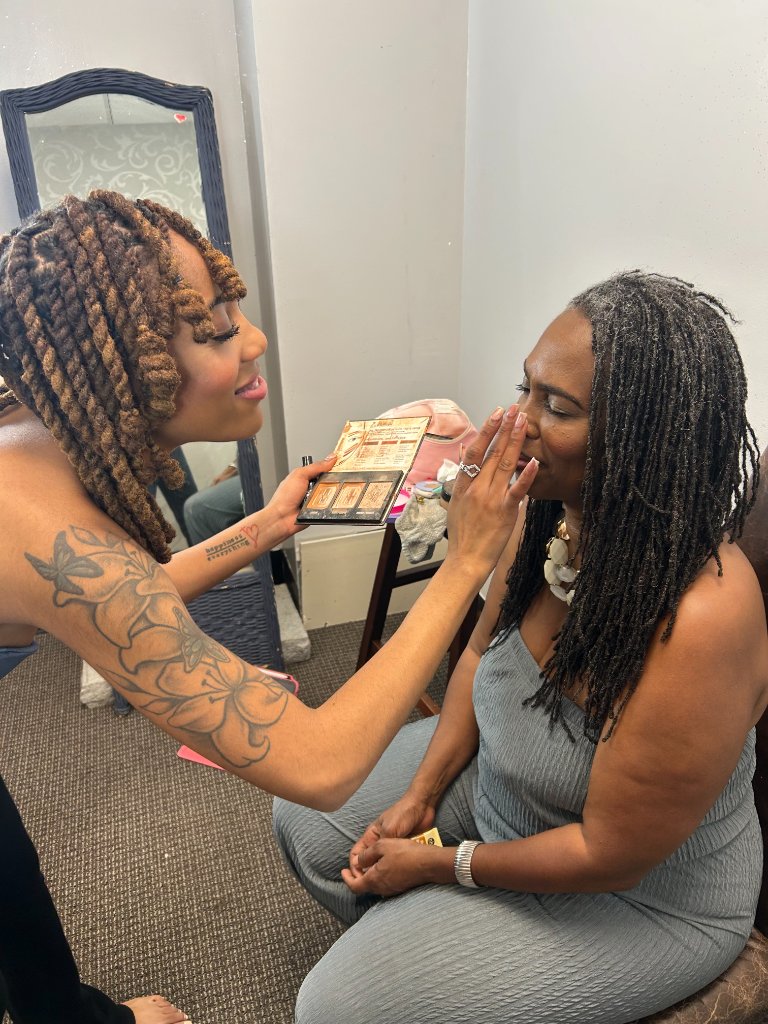
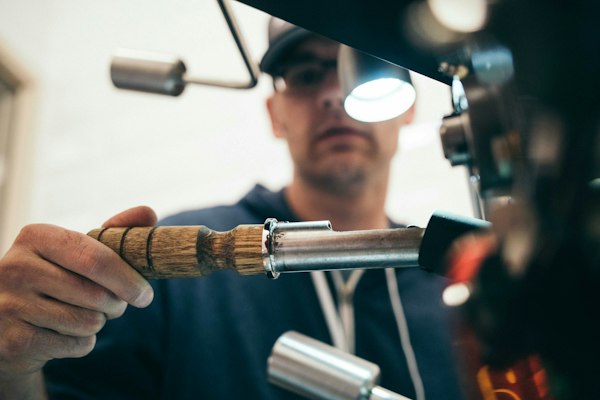
We break it down! For generations, the message was simple: graduate high school, go to college, get a degree, and you'll be set for life. But the world has changed, and so has the path to a successful career. Today, trade schools are producing graduates who earn strong incomes with little to no student debt, while colleges continue preparing students for careers requiring advanced education and specialized knowledge. So which path is right for you? If you enjoy working with your hands, solving real-world problems, and entering the workforce quickly, a trade school may be an excellent choice. Careers in electrical work, HVAC, plumbing, welding, automotive technology, cosmetology, construction, and healthcare support are in high demand. Many skilled trades offer excellent salaries, opportunities to own your own business, and job security. On the other hand, if your dream is to become a doctor, teacher, engineer, attorney, architect, scientist, or business executive, earning a college degree is often the best path. College also provides valuable networking opportunities, leadership experiences, internships, and broader career options. The truth is, success doesn't come from the school you choose—it comes from your commitment, work ethic, and willingness to keep learning. Before making your decision, ask yourself: What career excites me? How do I learn best? What lifestyle do I want? How much time and money am I willing to invest? There is no "one-size-fits-all" answer. Whether you wear steel-toe boots, a business suit, medical scrubs, or a graduation gown, every profession plays an important role in building stronger communities. At B.Visible, we believe every student has a purpose. Choose the path that matches your gifts, follow your passion, and never stop learning. Your future is waiting—and it starts with the decision you make today.

B.Visible

A monthly digital publication and quarterly print magazine serving the Memphis community with display and classified advertising.

Partner With Us

Advertising

Every Memphis business gets one free listing. Community Partner ads are $55/month — every dollar builds toward a free display ad.

© 2026 B.Visible Partners Magazine • Memphis, TN. All rights reserved.